Sewage Cleanup
Professional water, fire, and sewage cleanup restoration services you can rely on—delivering prompt, safe, and efficient solutions to restore your property when you need it most.
Among the most perilous manifestations of aquatic remediation is sewage contamination. One may encounter numerous toxins and hematogenous pathogens. We shall elucidate the fundamental methodologies for managing a sewage water incursion. Prior to permitting the technician to execute this restoration, you ought to verify their qualifications, ensuring proper certification in recognized programs such as Water Restoration training standards.
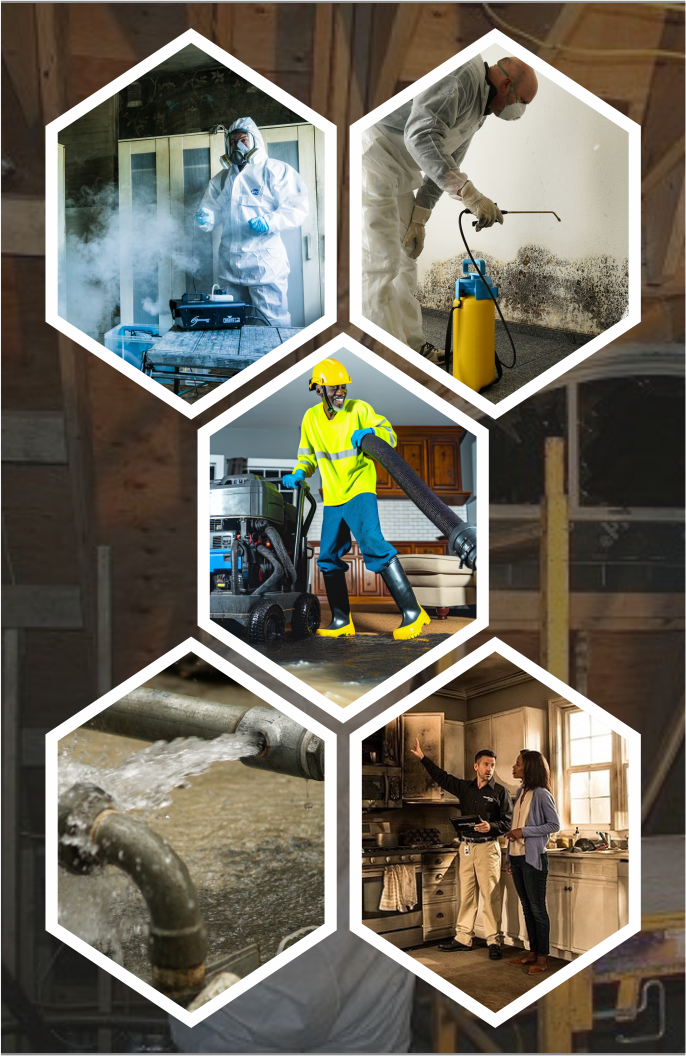
- The space should be evacuated soon.
- In the environment there can be possible hazards, so first check and inspect about the same. In addition, check whether the electricity is going to bring some trouble.
- You should check that the technician who is going to handle the work makes use of personal protective equipment (PPE). Also, the person should use skin protection, hand protection, respirators, and goggles. The person should also be using rubber boots.
- Identify, eliminate, or repair the source of water and sewage.
- To limit the risk of developing any further damage to the unaffected regions within the location make use of containment.
- Check with the local municipalities to figure out any restrictions regarding the disposal of these materials.
- The materials discovered need to be replaced, removed, or decontaminated, you’ve to distinguish that.
- You’ll get their other systems like HVAC and find out if they are affected and what sort of cleaning or repair they might require.
- To all of the affected areas, apply a bacteria remover that’ll help keep the area clean and remove the unwanted germs that might have entered during the disaster.
- In the space, you’ll find several unsalvageable materials, like drywall, pad, carpet, and others, remove all of them. When removing contaminated materials, make use of caution.
- As per requirement make the area dry. After that treat the items that are considered salvageable.
- A preventive coating should be used to treat all hard surfaces, like studs, joists, and subfloorings.
- The cleaned and sealed areas or items should be reinstalled and repaired.
The experts employed with us will follow every one of the before-mentioned steps and make the affected area ready as before soon. Trust and give us a chance to show our credibility and do the magic on behalf of you.
Sewage Cleanup in Atlanta, Georgia!
Sewage cleanup is a critical process that involves the safe removal, sanitation, and restoration of areas contaminated by wastewater. Sewage backups can occur due to clogged drains, broken pipes, or flooding, introducing harmful bacteria, viruses, and parasites into the environment. Professional cleanup begins with a thorough assessment, followed by containment to prevent cross-contamination. Technicians use specialized equipment such as industrial pumps, wet vacuums, and protective gear to extract contaminated water and solid waste. All affected surfaces are then cleaned and disinfected using antimicrobial solutions to eliminate pathogens and odors. Porous materials like carpets, insulation, and drywall are often removed and disposed of safely. Proper drying and dehumidification are essential to prevent mold growth. Certified professionals follow strict health and safety guidelines to ensure complete decontamination. Effective sewage cleanup not only restores the property but also protects occupants from serious health risks associated with exposure.
FAQs
Find clear answers to common questions about our water and fire damage restoration services, process, and response times.
Water damage should be addressed immediately. The longer water sits, the more it can weaken structures, damage materials, and encourage mold growth. Quick action helps minimize damage and restoration costs.
Water damage can result from burst pipes, leaking appliances, roof leaks, flooding, clogged drains, or severe storms. Identifying the source quickly is essential to prevent further damage.
The timeline depends on the extent of the damage. Minor cases may take a few days, while severe damage requiring repairs or reconstruction can take several weeks.
Many homeowner insurance policies cover water damage caused by sudden incidents such as burst pipes or appliance leaks. However, coverage may vary depending on the cause of the damage.
Yes. Mold can begin to develop within 24–48 hours in damp environments. Professional drying and dehumidification are essential to prevent mold growth and protect indoor air quality.
Professional restoration experts have specialized equipment, training, and experience to remove water, dry affected areas, and restore damaged materials safely and effectively.
